Growing Up in peace
Because learning to live well together begins in the earliest years of school.
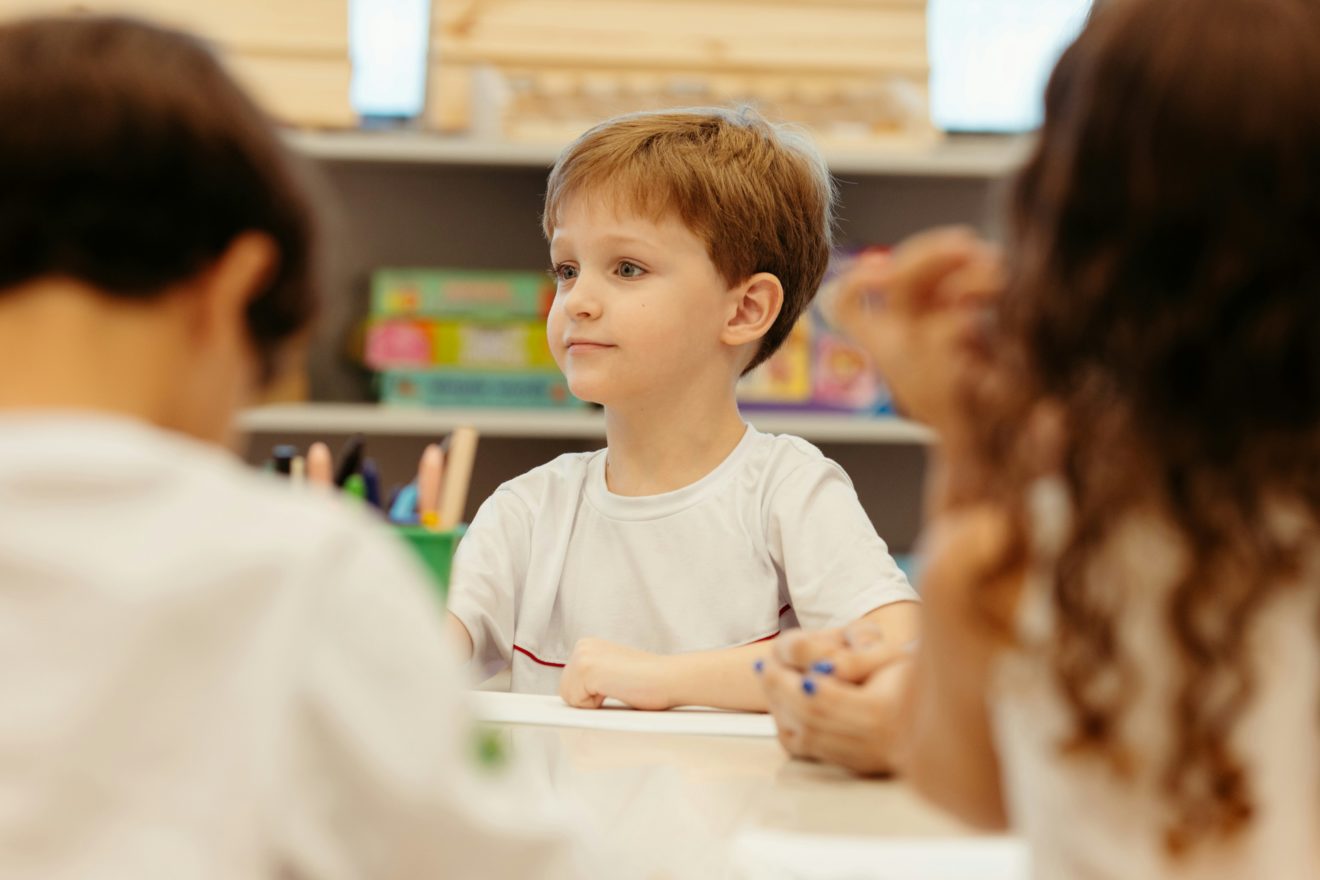
Growing Up in peace is a program designed to support primary school teachers in creating a peaceful, cooperative classroom climate that fosters learning.
It connects academic learning with life skills to prevent violence, strengthen cooperation and encourage every child to learn with confidence.
Through its pedagogical guides and teacher training, the program offers simple, practical activities that help students reflect, engage in dialogue, manage their emotions and build respectful relationships from an early age.
When children feel heard, respected and trusted, anything is possible.
About the program
Objectives?
The program has a three-fold mission:
Re-imagining education, by linking fundamental learning, life skills and human values. – Strenghten learning, by supporting concentration, cooperation and motivation at school. – Prevent violence and foster peace, from the earliest years of schooling.
To achieve this, the program develops five interdependent families of skills:
- Reflexive: critical thinking, discernment, metareflection
- Emotional: understanding and expressing emotions
- Social: self-esteem, cooperation and respect for others
- Resolutive: non-violent conflict management
- Commitment: responsible action and collective contribution
The aim is to develop strong, autonomous and confident students, capable of acting with discernment and responsibility.
Approach?
Progressive resources grounded in experience
The program is based on a collection of age-specific guides, offering practical activities, collective learning experiences and dedicated time for reflection.
It is in line with the four pillars of peace education defined by UNESCO:learning to know, learning to do, learning to be and learning to live together.
Each activity connects an educational issue with a clearly identified challenge, giving meaning to learning and linking the classroom to the major challenges facing society.
Design?
A rigorous development process grounded in Swiss standards
The program is developed by a multidisciplinary team of pedagogues, psychologists and field experts.
It is aligned with the Plan d’Études Romand (PER) and the Sustainable Development Goals (SDGs). It benefits from institutional recognition: recommended by the PSPS Unit (Canton of Vaud), integrated into HEP Vaud training courses, and evaluated by a HEP Valais study.
Measured impact?
At school
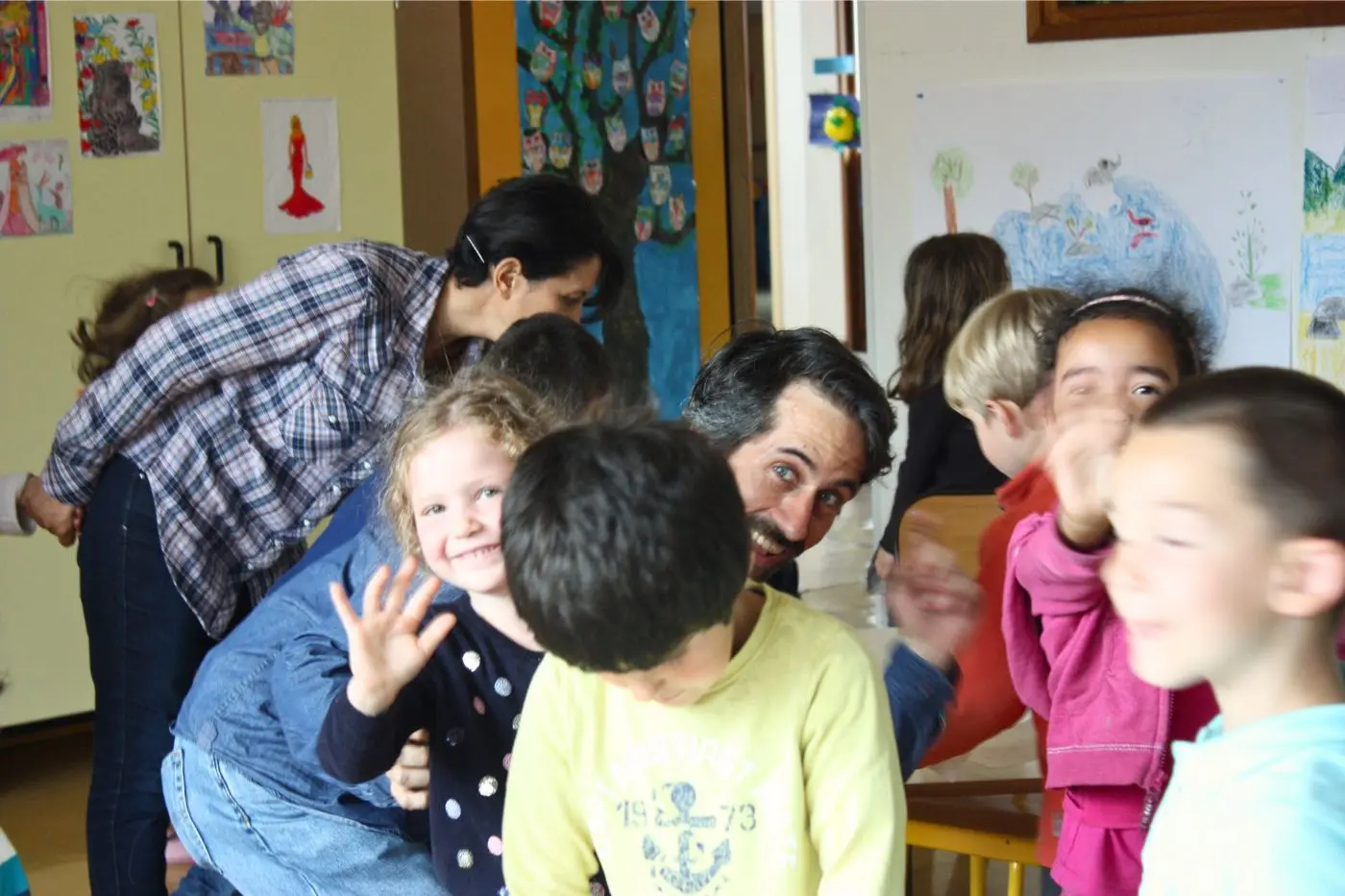
Trained teachers observe a calmer classroom climate, improve quality of classroom interactions and a reduction in daily tensions.
In students
Assessments show a marked improvement in self-esteem, empathy, cooperation and critical thinking.
Resources for students aged 4-12: Growing Up in Peace and complementary tools
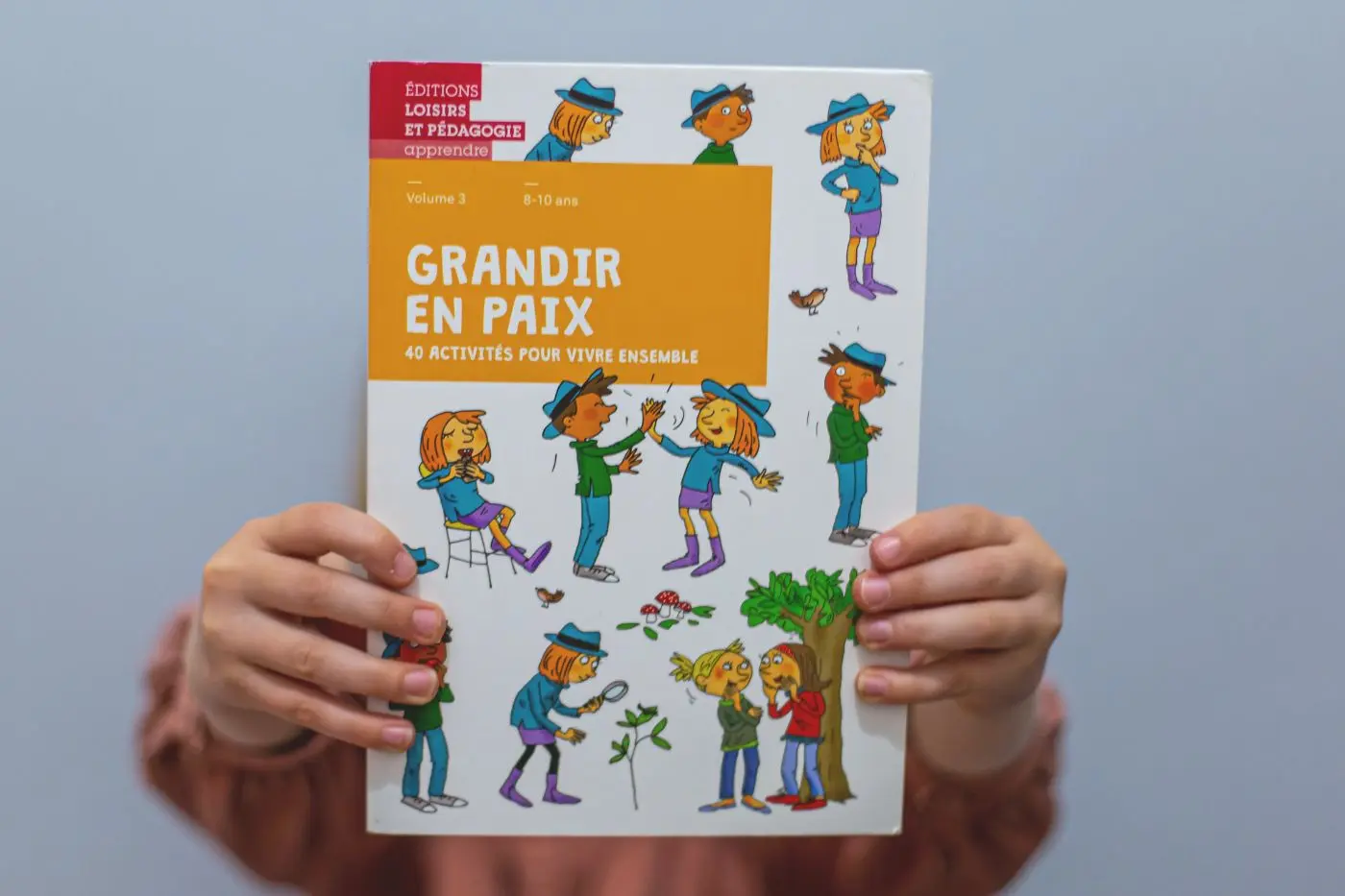
Growing up in peace collection
4 teaching guides and booklets (ages 4-12). Each volume offers around forty activities designed to develop life skills, foster positive classroom climates and encourage long-term engagement.
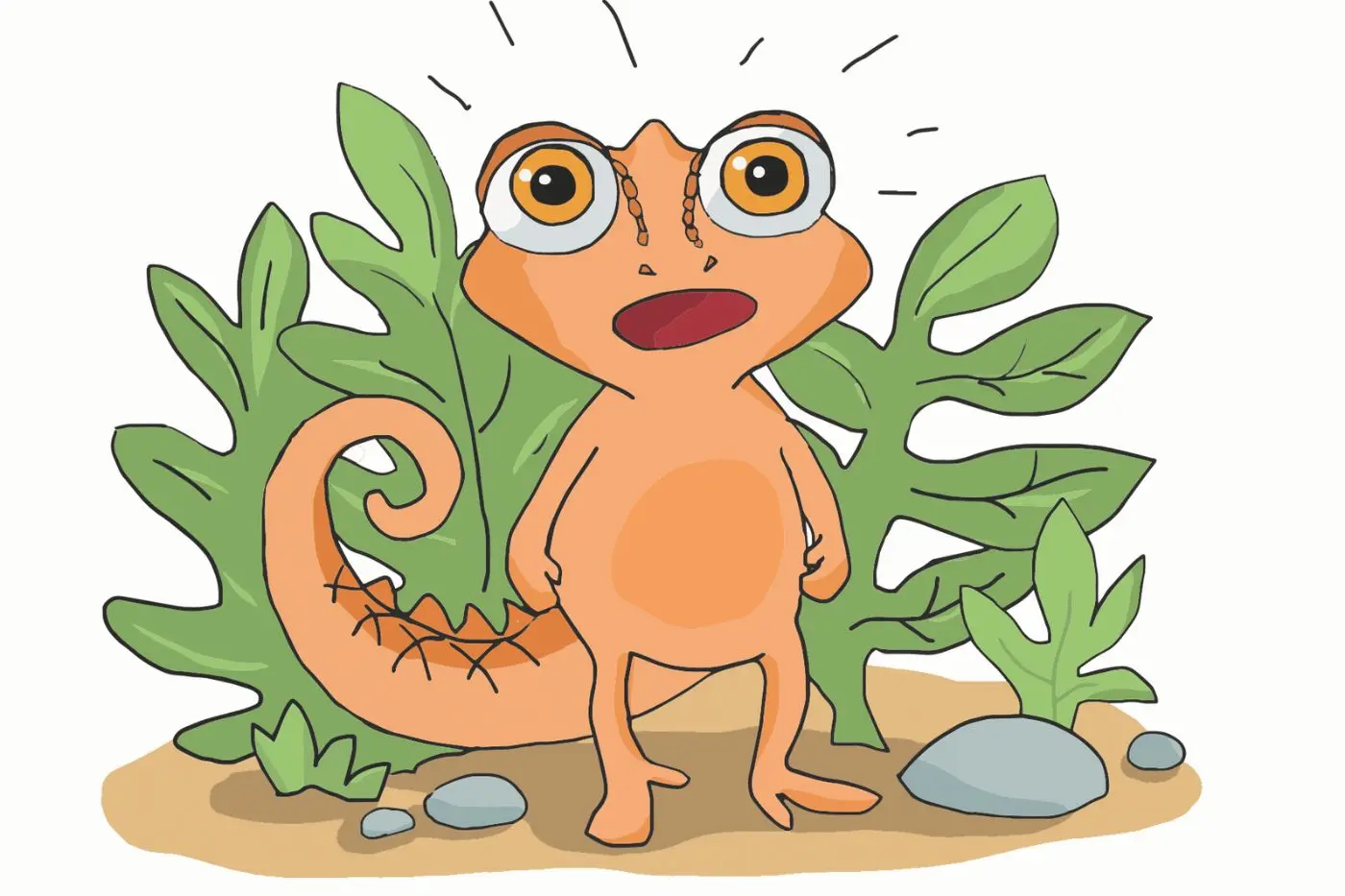
Leon and his emotions exhibition
An interactive experience designed to help children discover and regulate seven key emotions, tailored to primary school classes.
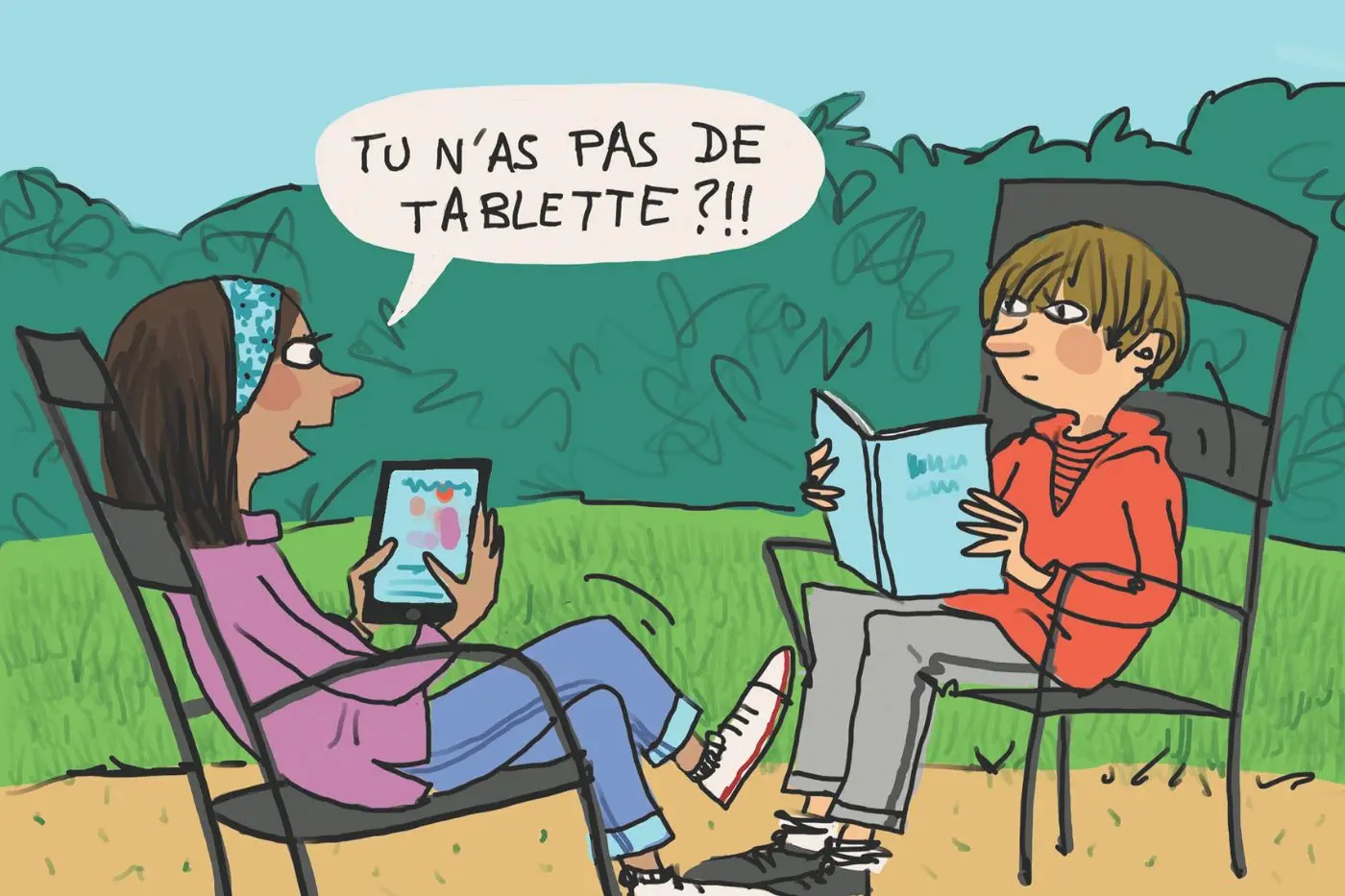
35 workshops for an inclusive school
Practical activities to strengthen inclusion, cooperation and positive coexistence.
Our impact

1’787’120
children affected

44’678
trained teachers
What they say
Ideas for the classroom
Mini practice
#1
What is authority?
An activity in which students reflect on authority and the people who embody it.
- Discussion about who is considered an authority figure.
- Individual creation of of a poster featuring the chosen authority figure.
- Voting for those who best represent authority at school, in the family and in everyday life.
Objective:
To understand authority and the rules that govern it and use voting to designate authority figures.
Mini practice
#2
The Ant Hill
A cooperative game inspired by ants.
- Two groups: nurse ants and worker ants.
- The worker ants build three paths using crates that lead to the nest.
- The nurse ants cooperate to carry objects from crate to crate until they reach the nest.
Objective:
To experience and understand the importance of collaboration in achieving a common goal.


Subscribe to our newsletter
Follow our actions and initiatives to reinforce a peaceful school climate.