Better School for Girls
Give girls the same opportunities to succeed at school and in life.
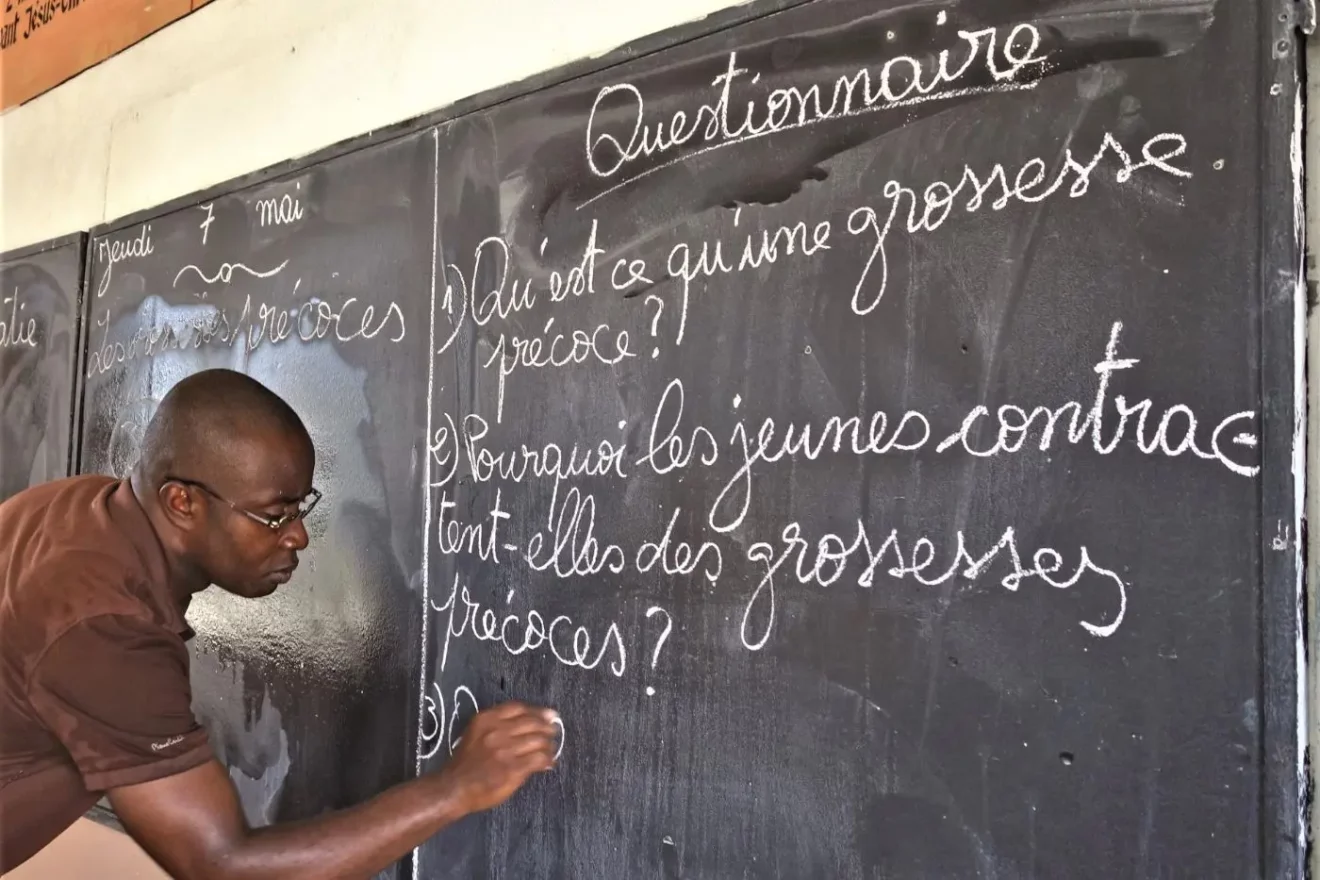
In northern Benin, girls still too often drop out of school, facing gender inequality, early marriage and educational violence.
The Better School for Girls (MEF) program works to reduce gender inequalities at school and promote success for all students. It mobilizes teachers, school leaders, social workers and families to prevent violence, challenge stereotypes and create a protective, inclusive and future-oriented environment for girls.
About the MEF program
Objectives
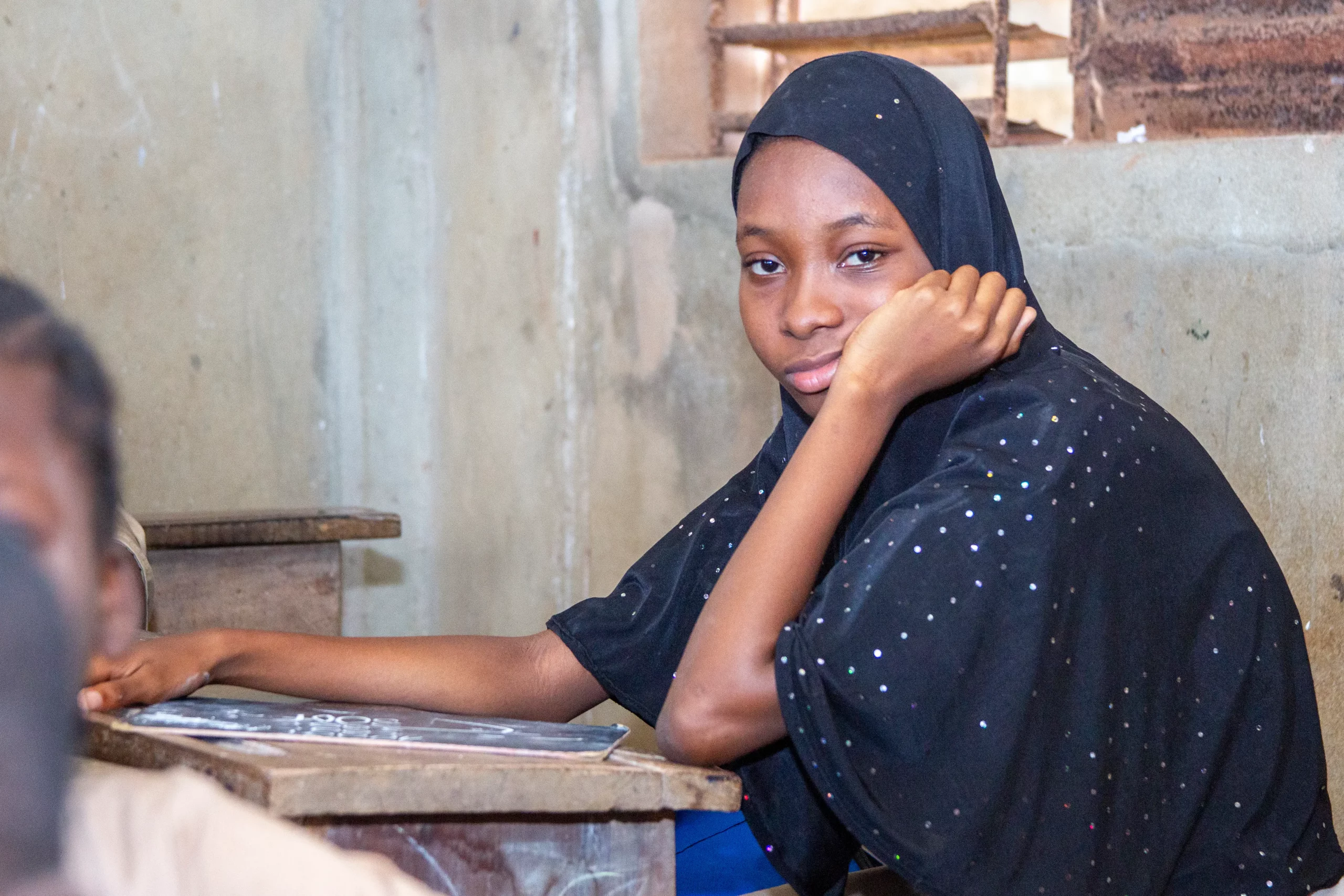
- Promoting girls’ access to education and academic success.
- Preventing gender discrimination and educational violence.
- Supporting teachers in adopting inclusive, caring and gender-sensitive practices.
- Involve families and communities in the protection and and empowerment of girls.
Approach
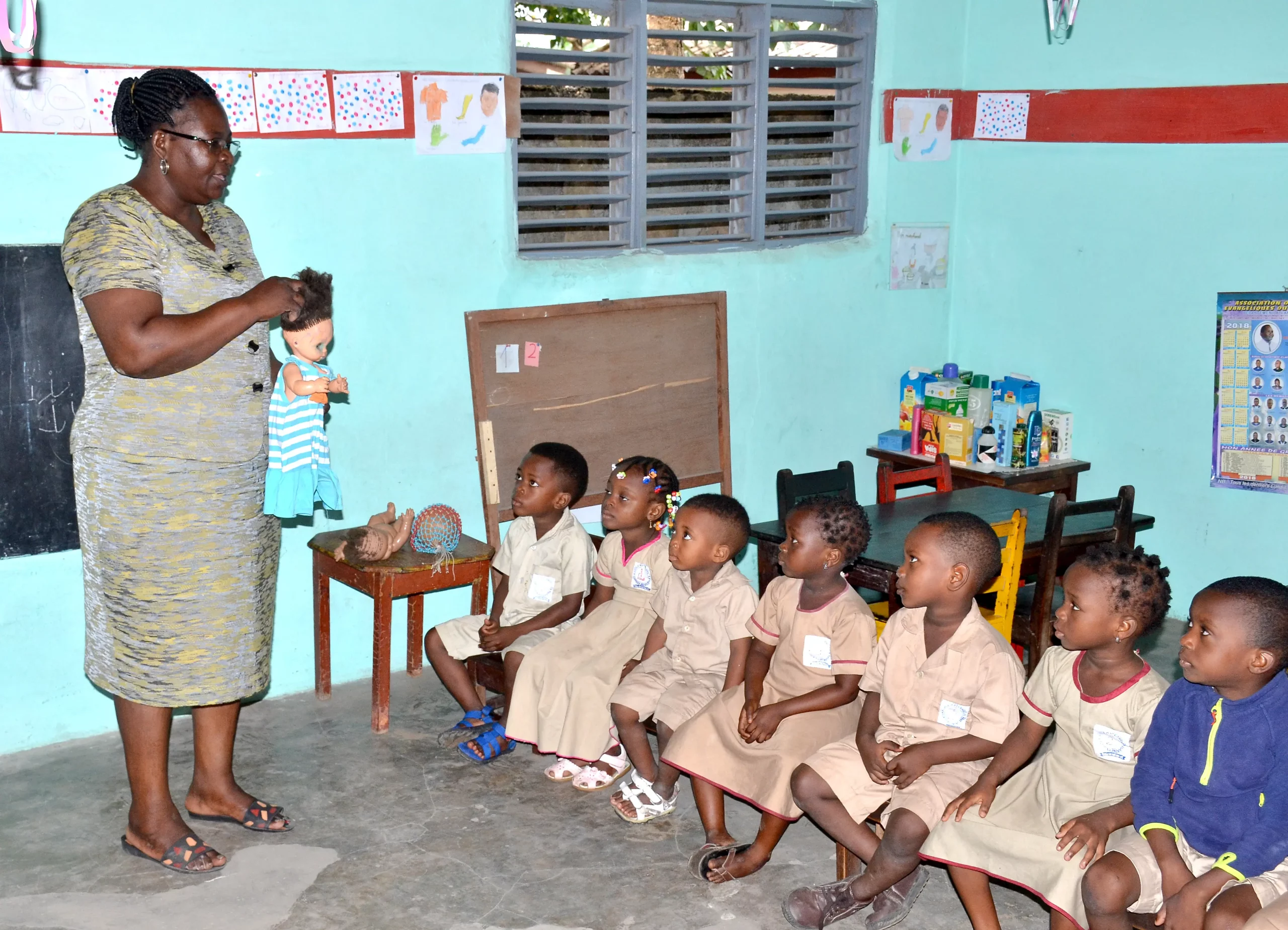
An active and inclusive teaching approach, rooted in local realities.
- Promoting collaborative, non-violent educational practices.
- Engaging teachers, families and communities in joint action.
- Placing students at the center of learning, by strengthening cooperation, reflection and gender equity.
- Using participatory and cultural tools to bring about lasting changes in practices.
Implementation
A structured cascading system
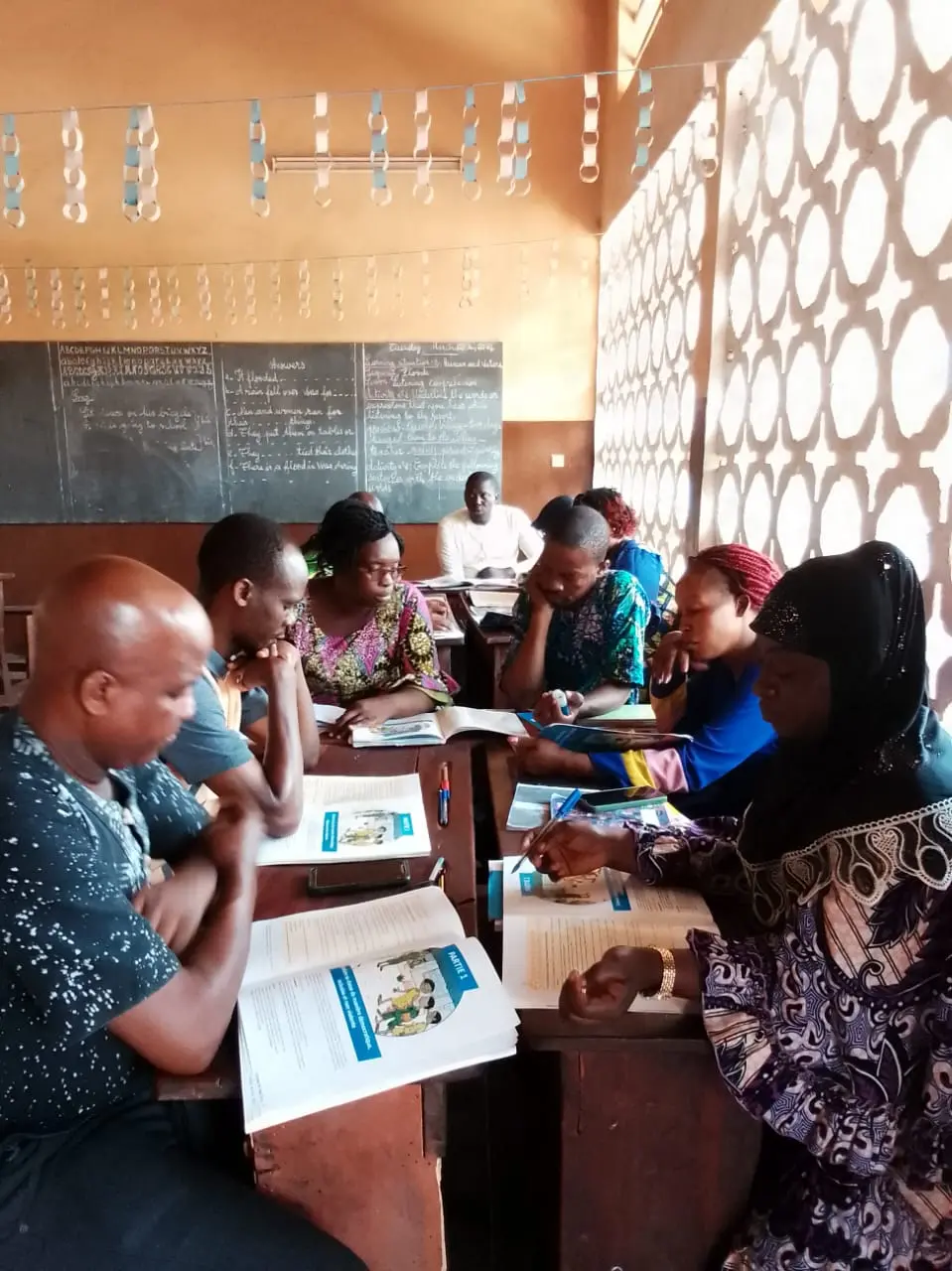
- Training for teachers and educational advisors, with in-class support.
- Raising awareness among families through workshops led by social workers.
- Equipping schools and communities with guides, teaching kits, picture books and films to reinforce learning and strengthen school–community dialogue.
Design
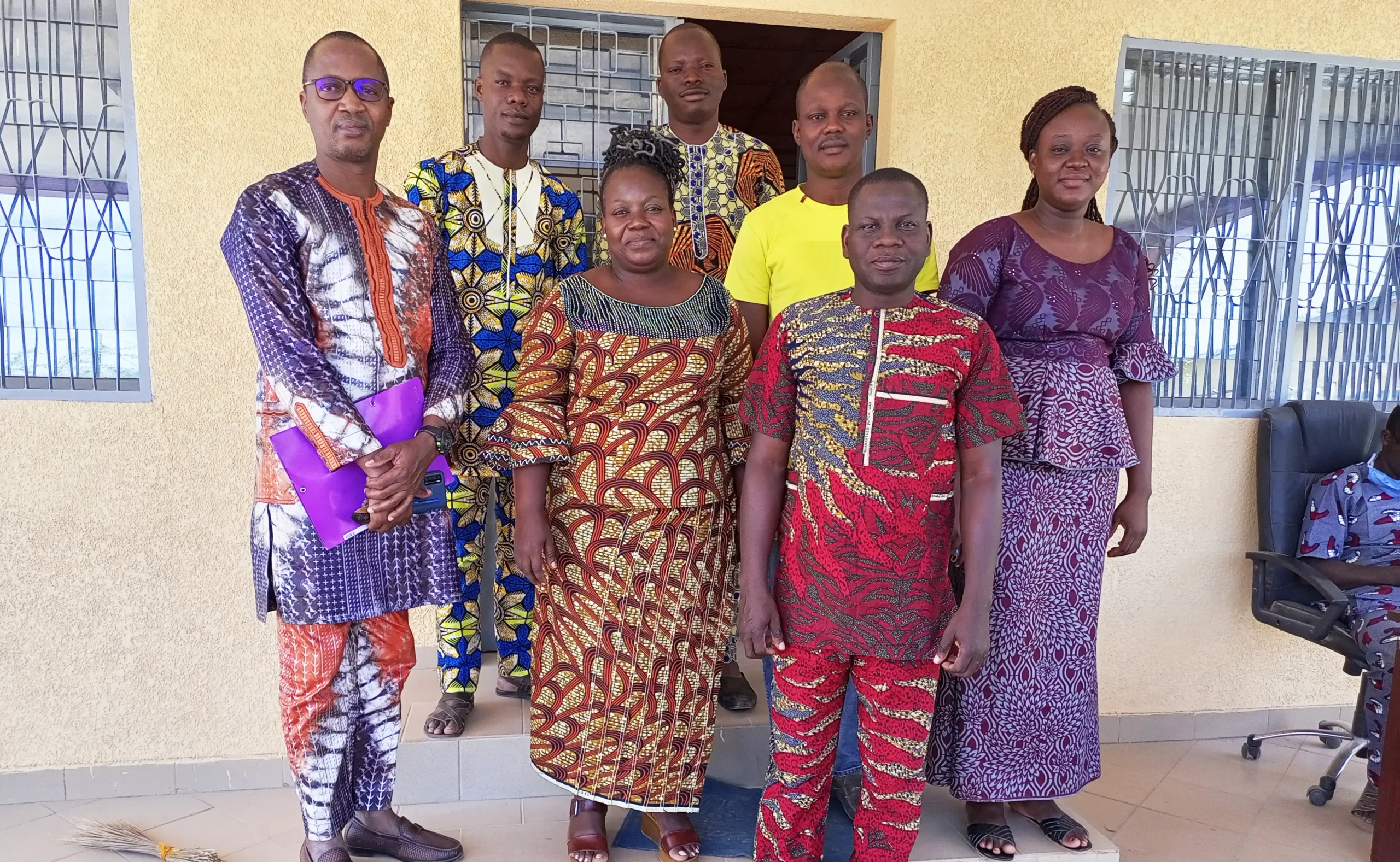
MEF is a participatory program rooted in the Beninese education system. It is based on an initial diagnosis of barriers to girls’ schooling, further strengthened through a theory of change workshop involving public authorities, teachers, parents and civil society actors. Developed in partnership with the Ministry of Education and the Ministry of Social Action, it has a dual impact:
- in the classroom, through teacher training and ongoing support
- in communities, through awareness among families.
This articulation ensures the sustainable integration of these practices into the education system.
“To educate a girl is to educate a nation.”
Salimane Karimou,
Minister of Nursery and Primary Education of Benin
Educational resources – Better School for Girls
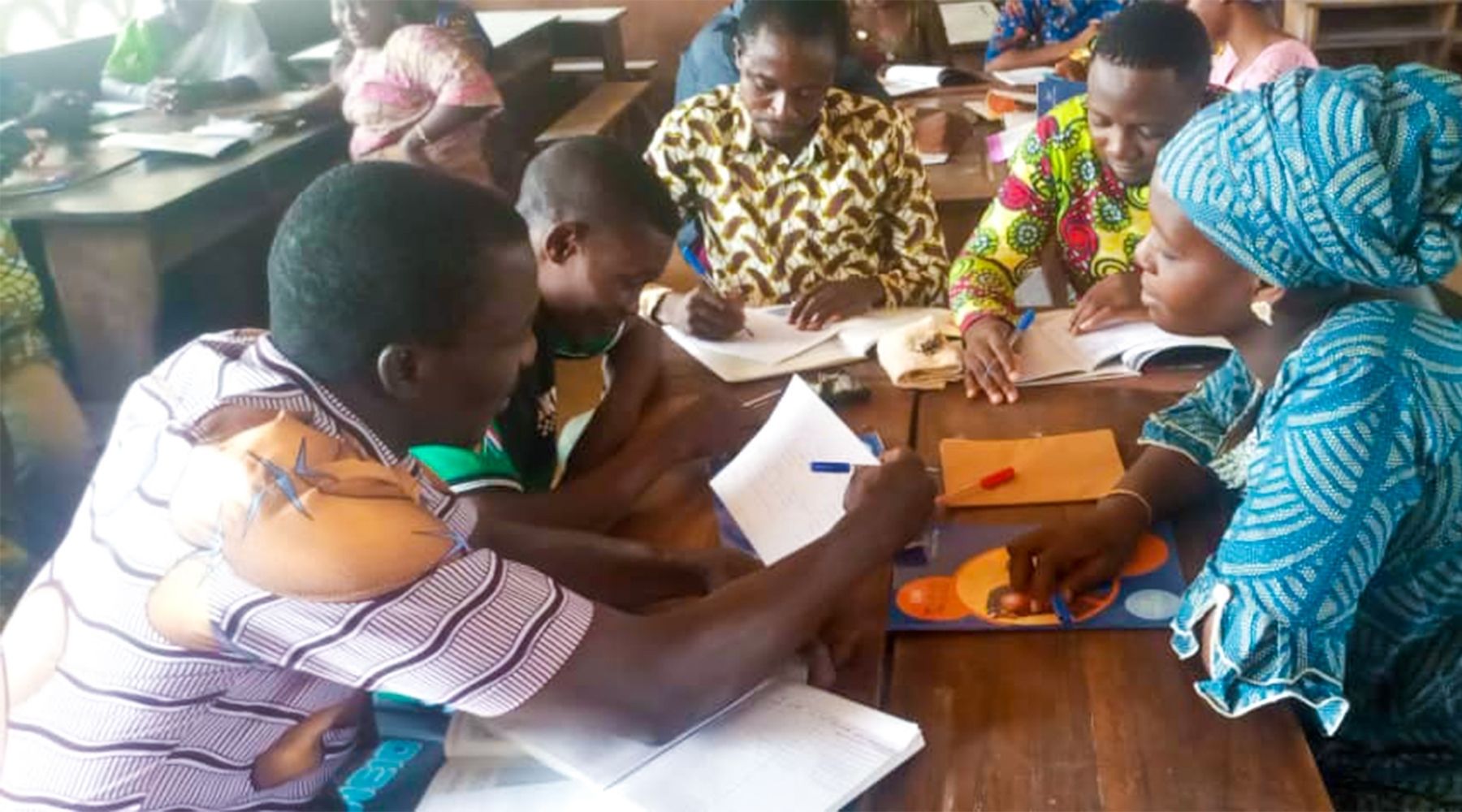
Resources for the educational system
Materials for teachers and educational advisors, featuring inclusive, non-violent approaches and activities designed to support girls’ academic success.
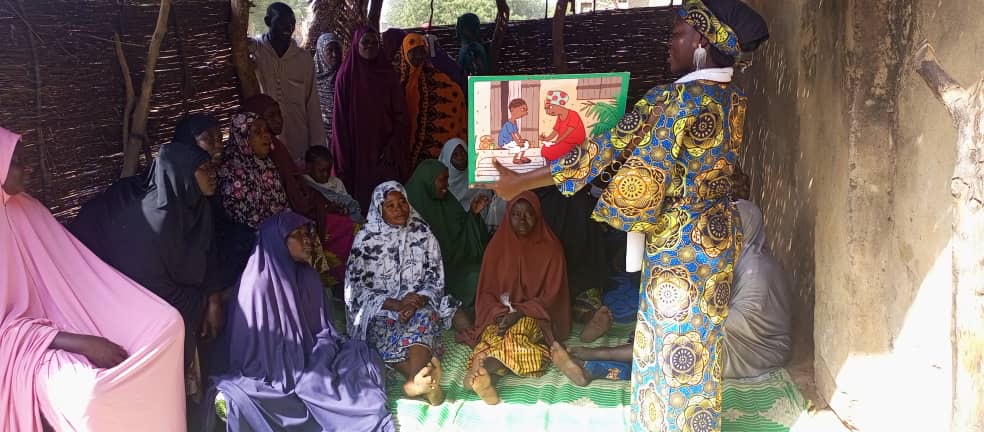
Resources for social workers
Tools to facilitate dialogue with parents and communities, deconstruct gender stereotypes and promote a gender-equal and empowering education.
Educational film
An audiovisual production that highlights the obstacles faced by girls and fosters dialogue with students, families and communities.
Observed impacts in Benin
- Calming the school climate : reduced tensions, increased perceived safety and a more serene classroom atmosphere.
- Strengthen relationships between students: respect, listening and cooperation increase, and collective discussions develop more naturally.
- Equipping teachers: increased confidence in conflict prevention and access to practical tools that can be used directly in the classroom.
- Valuing students as agents of change: strengthening their ability to take action within school life.

75’370
children

1’498
teachers

3’780
Families
What they think


Subscribe to our
newsletter
Follow our actions to promote girls’ education, strengthen gender equality and create fairer, safer school environments.